Essential for optimal taste, use filtered or bottled water. I know, it sounds fussy. But trust me, the right water for coffee maker makes all the difference. Tap water can have minerals or chlorine that mess with your brew. You don’t want that. Your morning coffee deserves better.
Think about it. Your coffee is 98% water. That’s huge. So why ruin it with bad water? A simple filter pitcher works great. Or grab a bottle of spring water. Your tastebuds will thank you. And your coffee maker will last longer too—less scale buildup. It’s a win-win.
Product Comparison Table: 7 Best Water For Coffee Maker
| Image | Why We Like This Product | Editor’s Rating | |
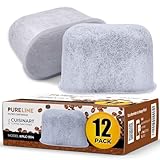 |
Cuisinart® Coffee Filter Replacement – 12 Pack Cuisinart® Coffee…
|
9.8 |
Read Review |
 |
12-Pack Replacement Charcoal Water Filters for Use with Cuisinart…
|
9.5 |
Read Review |
 |
12 Pack Filters Replacement Compatible with Keurig Water Filter…
|
9.2 |
Read Review |
 |
K&J 12-Pack Cuisinart® Coffee Filter Replacement Charcoal Water Filters…
|
8.9 |
Read Review |
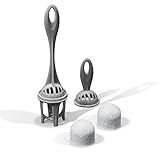 |
Hamilton Beach Coffeemaker Water Filter Replacement Pods and Handle,…
|
8.7 |
Read Review |
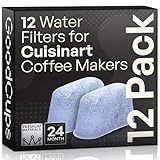 |
12 Pack Water Filters for Cuisinart Coffee Makers by…
|
8.4 |
Read Review |
 |
6 Water Filters for Cuisinart Coffee Makers – Replacement…
|
8.1 |
Read Review |
Quick Review For Top 7 Water For Coffee Maker
Cuisinart® Coffee Filter Replacement – 12 Pack Cuisinart® Coffee Maker Water Filter by Pureline – Charcoal Water Filter – for all Cusinart Coffee Machines

The Cuisinart® Coffee Filter Replacement – 12 Pack Cuisinart® Coffee Maker Water Filter by Pureline is a simple way to keep your coffee tasting clean and fresh. These are charcoal water filters designed to work with all Cuisinart coffee machines. If you want better coffee and a longer-lasting brewer, this pack is a practical choice.
First, these filters focus on what matters most: the taste of your coffee.
When water passes through the filter, it removes common impurities like chlorine and sediment. The result is clean, safe water that makes your coffee taste like it should. No weird flavors or odors. Just a crisp, clean cup every time you brew.
Second, using these filters helps protect your coffee machine. Over time, minerals and other impurities can build up inside your brewer. This build-up can cause clogs, reduce performance, and eventually lead to damage.
Pureline’s filters stop that from happening. By trapping these particles before they enter your machine, you reduce the risk of costly repairs or early replacement. It is a small step that saves you trouble down the road.
Third, these filters are NSF certified under standard 42. This means an independent organization has tested them for safety and quality. You do not have to worry about harmful materials or poor construction.
12-Pack Replacement Charcoal Water Filters for Use with Cuisinart coffee machines
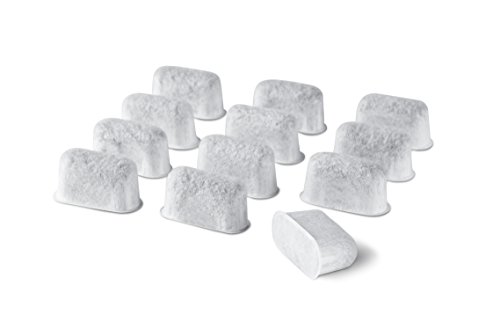
The Geesta 12-Pack Replacement Charcoal Water Filters are designed for use with Cuisinart coffee machines. This set includes a dozen filters to help you make fresh and delicious coffee at home. Each filter is individually packaged and sealed, which keeps them clean and ready to use. The box they come in also protects the filters for storage. Instructions are included, so you know exactly what to do.
These filters work with many Cuisinart models.
They are compatable with the Cuisinart Coffee Grind & Brew, Burr Grind & Brew, Single Cup Grind & Brew, Programmable, and PerfecTemp coffeemaker series. If you have one of these machines, this pack is a good fit.
The main job of these filters is to improve the taste of your coffee. They reduce impurities, calcium, chlorine, and odors from your water. This helps create the best-tasting coffee for anyone who loves a good cup.
Cleaner water means your coffee, tea, or other hot drinks will taste better. You will notice the difference, especially if you use tap water.
To keep your coffee tasting great, replace the filter every 2 months or every 60 water tank refills. If you have hard water in your area, you might need to change it more often. Hard water has more minerals, which can build up and affect flavor.
12 Pack Filters Replacement Compatible with Keurig Water Filter Cartridges, 2.0 and 1.0 Classic Coffee Makers, Charcoal Water Filters

The 12 Pack Filters Replacement Compatible with Keurig Water Filter Cartridges is a practical choice for Keurig 2.0 and 1.0 Classic coffee makers. This set includes twelve individual charcoal filters designed to work with most single-cup reservoir brewing systems. Just a heads up, they are not compatible with Cuisinart coffee makers, so double check your model before you buy.
Each filter uses organic coconut shell activated carbon as its filtration media.
This material works to soften your water and reduce chlorine, heavy metals, and other impurities. The result is cleaner water that helps your coffee taste better and also protects your machine from buildup over time. You don’t have to worry about carbon granules escaping into your drink either. The advanced leak-proof design holds the activated carbon securely inside a fine mesh, which prevents clogging and keeps the water flow consistent.
This means less mess and fewer surprises when you brew.
Since you should replace your filter every one to two months for the best coffee quality, this 12-pack gives you a full two-year supply. It is an excellent value because you wont have to remember to order more anytime soon. Just pop in a new filter when it is time, and your machine keeps running smoothly.
K&J 12-Pack Cuisinart® Coffee Filter Replacement Charcoal Water Filters for Coffee Makers – Fits all Cuisinart and Braun BrewSense Coffee Makers
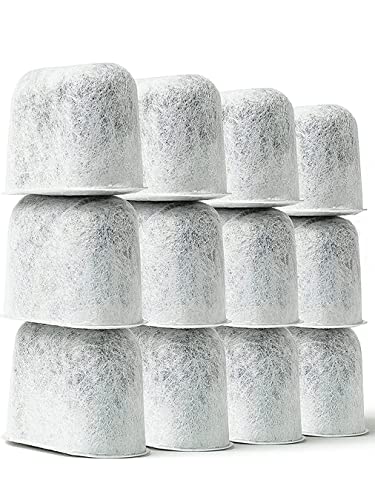
The K&J 12-Pack Cuisinart Coffee Filter Replacement Charcoal Water Filters for Coffee Makers is designed to keep your coffee tasting clean and fresh. These filters are made to be compatible with all Cuisinart coffee makers, covering both newer models and older ones. They also fit Braun BrewSense Coffee Makers.
If you own a DCC-1100, DCC-1150, DCC-1200, DCC-2000, DCC-2200, DCC-2600, DCC-3200, DGB-500BK, DGB-550, DGB-600, DGB-700, DGB-900BC, DGB-475, CBC-00PC2, CBC-00WPC, DCC-1000, DCC-1000BK, DCC-1400, CBC-001, CBC-002, CBC-00BKPC, CBC-SA002, or DCC-900, this pack has you covered. You get twelve filters, which should last you for several months if you replace them every 60 days as recommended.
The key feature here is the micromesh material.
This ensures the charcoal stays inside the filter and doesn’t escape into your coffee maker. That means no clogging or mess. K&J claims this is the highest quality micromesh of any filter currently sold, and it realy helps keep your machine running smoothly. The filters use ultra fine-grain charcoal. Finer granules mean more surface area, so the water gets more exposure to the filtration material. This makes the filter more effective at removing impurities, calcium, chlorine, and odors.
Hamilton Beach Coffeemaker Water Filter Replacement Pods and Handle, Charcoal, 2-Pack

The Hamilton Beach Coffeemaker Water Filter Replacement Pods and Handle, Charcoal, 2-Pack are designed to help you get a cleaner, better-tasting cup of coffee right from your machine. These filters work by removing impurities like calcium, lime, chlorine, and odors using activated charcoal. The result is coffee that tastes more like it should—smooth and free from off flavors caused by tap water.
One of the main things you will notice is how simple they are to install.
Each filter has a pull-top cap that makes replacement easy. No tools, no mess. Just pop the old one out and snap the new one in. For the best flavor, you should swap the filter after about 60 brew cycles or roughly every 2 months. It is a small habit that makes a real difference over time.
These filters are built to fit most Hamilton Beach coffee makers, both newer models and older ones you might have had for years.
Before buying, double-check your machine’s use and care guide to see if it uses this type of filter. It is a quick step that saves you from any guessing.
The charcoal inside is ultra-fine, made from clean coconut husks. Because the granules are small, they have more surface area to catch impurities while water flows through. This means you get effective filtration without slowing down your coffee maker.
12 Pack Water Filters for Cuisinart Coffee Makers by GoodCups – Replacement Charcoal Water Filters – Fits All Cuisinart Coffee Machines
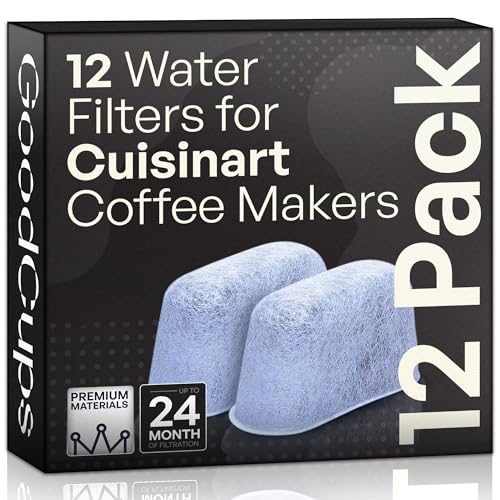
The GoodCups 12 Pack Water Filters for Cuisinart Coffee Makers are a simple way to keep your machine running well and your coffee tasting fresh. These replacement charcoal water filters are built to fit every Cuisinart coffee maker model, from the classic 12 cup machines to the Grind and Brew and models with a built-in grinder.
You don’t have to worry about compatibility – these are designed to work with both newer and older machines, so you can swap them in with confidence.
What these filters do is pretty straightforward. They remove calcium, chlorine, and odors from your tap water. This means your coffee will have a cleaner, more pure flavor with every brew. The charcoal used here has a strong absorption capacity, so it maximizes filtration efficiency.
Besides improving taste, it also protects your brewer from mineral buildup. That helps extend the lifespan of your machine and keeps every coffee cycle running smooth.
The design of these filters is made for optimal water flow. They won’t cause clogs or slow down your brewing process. Instead, they let water pass through freely while still catching the impurities. Your Cuisinart coffee maker can operate efficiently without any hiccups.
6 Water Filters for Cuisinart Coffee Makers – Replacement Charcoal Water Filters – Fits all Cuisinart Coffee Brewers by GoodCups

The GoodCups 6 Water Filters for Cuisinart Coffee Makers are replacement charcoal water filters that work with all Cuisinart coffee brewers. These filters are designed to be a simple swap for your old ones, so you can keep making coffee without any hassle. They fit both newer and older models, so you don’t have to worry if your machine is a few years old. They just go right in.
These filters use activated charcoal to clean your water.
They remove impurities, calcium, chlorine, and any odors that might be hanging around. The result is a cleaner tasting cup of coffee. The flavor of your brew comes through better because the water is more pure. You get a fresh home-brewed coffee experience every time, without any weird aftertastes.
The charcoal in these filters has a strong absorption capacity, which means it catches more stuff than some other filters might. This helps protect your coffee maker too.
By keeping minerals and sediment out of the machine, the filter can help extend its lifespan. Less buildup inside means your brewer stays in good shape longer. The filtration efficiency is maximized, so you get the most out of each filter.
The design is focused on optimal water flow. These filters let water pass through smoothly, which prevents clogs. Your Cuisinart coffee maker can operate without any backpressure or slowdowns.
Water For Coffee Maker Buying Guide
Choosing water for coffee maker involves filtered or bottled options to avoid mineral buildup. Hard water ruins your machine and makes coffee taste flat. But not all water is the same. Tap water varies by location. Bottled water costs more. Filtered water needs upkeep. So what should you pick? It depends on your priorities: taste, machine health, or convenience.
Mineral Content and Scale
Hard water leaves white scale inside your coffee maker. This cloggs heating elements and shortens its life. Soft water, like distilled or reverse osmosis, lacks minerals for good extraction. Your coffee can taste sour or weak. The sweet spot is water with 50-100 ppm of dissolved solids. Check your local water hardness first. If it’s high, use a blend of filtered and distilled water.
Filtered Tap Options
A pitcher filter is simple and cheap. It removes chlorine and sediment. But it won’t soften very hard water. Under-sink filters are more thorough. They catch heavy metals and improve taste. Brita and PUR are common brands. Change filters on time or they breed bacteria. A carbon filter is best for most homes. It balances taste and cost.
Bottled Water Choices
Spring water often works well. It has natural minerals for balanced flavor. Avoid distilled or purified water long-term. They strip your coffee of body. Also skip sparkling or flavored waters. They damage machine parts. For convenience, buy gallon jugs of spring water. Check the label for TDS levels. Aim for the 50-100 ppm range.
pH and Temperature Effects
Neutral pH around 7.0 is ideal. Acidic water (under 6.5) can corrode metal parts. Alkaline water (over 8.0) makes coffee bitter and dull. Test your water with a simple kit. Also consider how water reacts to heat. Soft water heats faster but extracts less. Experiment with small batches to find what tastes best.
Remember: your coffee maker manual might specify water type. Some machines need filtered tap only. Others handle bottled well. Start with a cheap filter and adjust from there. Your taste buds and machine health will guide you.
Frequently Asked Questions About Water For Coffee Maker
Can I use tap water in my coffee maker?
You can, but it’s not always a good idea. Tap water often has minerals like calcium and magnesium. These can build up inside your machine over time. This buildup is called scale. It can make your coffee taste off. It can also break your coffee maker. Filtered or bottled water is a safer choice for your machine and your cup.
What type of water is best for coffee makers?
Filtered water is the top pick. It removes impurities but keeps some minerals for flavor. Distilled water is too pure. It can make your coffee taste flat and may damage your machine over time. Spring water works well too, but check the mineral levels. Softened water from a home system might have sodium, which can affect taste. Stick with simple filtered water for the best results.
Is bottled water safe to use?
Yes, bottled water is safe. But not all bottles are the same. Look for a brand with low mineral content. Too many minerals can cause scale. Too few can make your coffee taste dull. A good rule is to check the label for total dissolved solids (TDS). Aim for a TDS level between 50 and 150 parts per million. This gives you a balanced brew.
How often should I change the water in my coffee maker?
Change it every time you make coffee. Stale water sits in the tank and picks up dust or bacteria. Fresh water means fresh coffee. If you don’t use your machine for a few days, empty the tank and rinse it. Fill it with new water before your next brew. It’s a simple habit that improves taste and hygiene.
Can I use hot water to start my coffee maker?
It’s not recommended. Most coffee makers are designed to heat cold water gradually. Starting with hot water can mess up the brewing temperature. This might over-extract or under-extract your coffee. Use cold, filtered water from the tap. Let the machine do its job. You’ll get a more consistant cup every time.
Does water quality really affect coffee taste?
Absolutely. Coffee is about 98% water. Bad water makes bad coffee. Hard water can give you a bitter taste. Chlorinated water adds a chemical flavor. Impurities can mask the natural notes of your beans. Good water lets the coffee’s true flavors shine through. It’s worth paying attention to what you pour into your machine.
Should I descale my machine more with certain water?
Yes, if you use hard water. Hard water leaves more scale. You might need to descale every month. With filtered or soft water, you can go longer—maybe every three to six months. Always check your machine’s manual. Descaling keeps it working well and your coffee tasting great. Don’t skip it.
The Final Call
You don’t need fancy equipment or a science degree to get great coffee. What you really need is to start with good water. The minerals in your tap water can mess with teh flavor of your brew. Too much chlorine or hard water leaves a bad taste. Filtered or bottled water keeps things clean and balanced. That way you get a smooth cup every single time. It’s a small change that makes a big difference. You’ll taste it right away. No more bitter or flat coffee popping out of your machine. Just pure, simple flavor that matches your beans.
So check what kind of water you’re using right now. If it comes from the tap and tastes weird on its own, your coffee will too. Pick up a simple filter pitcher or a bottle of spring water. That’s all it takes. Remember to use the right water for coffee maker to protect your machine from mineral buildup. Your brewer will last longer and your morning cup will stay fresh. It’s a no‑brainer upgrade you can start today.